
SeaCycle: From Shoreline to Showpiece
Bin There, Done That
Subjects: Environmental Stewardship, Creative design
Where: Larnaca, Cyprus When: 21-29 May 2025
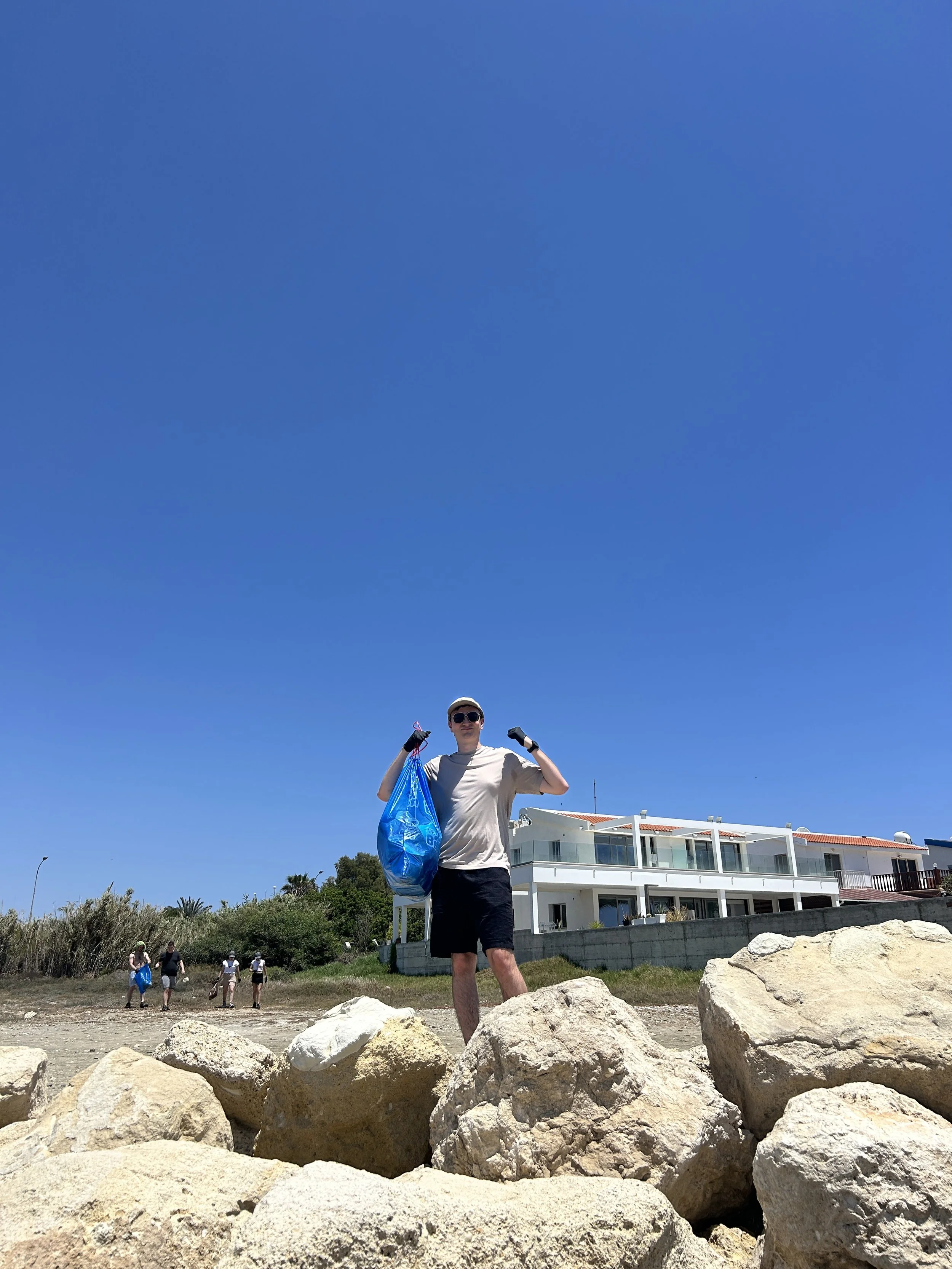
From Larnaca to the seaside village of Perivolia, SeaCycle brought young people together for a week of creativity, environmental action, and European friendship through an Erasmus+ Youth Exchange. We united participants and youth leaders from Cyprus, Romania, Poland, and Luxembourg around a shared challenge that affects every community: waste and the damage it causes to our environment.
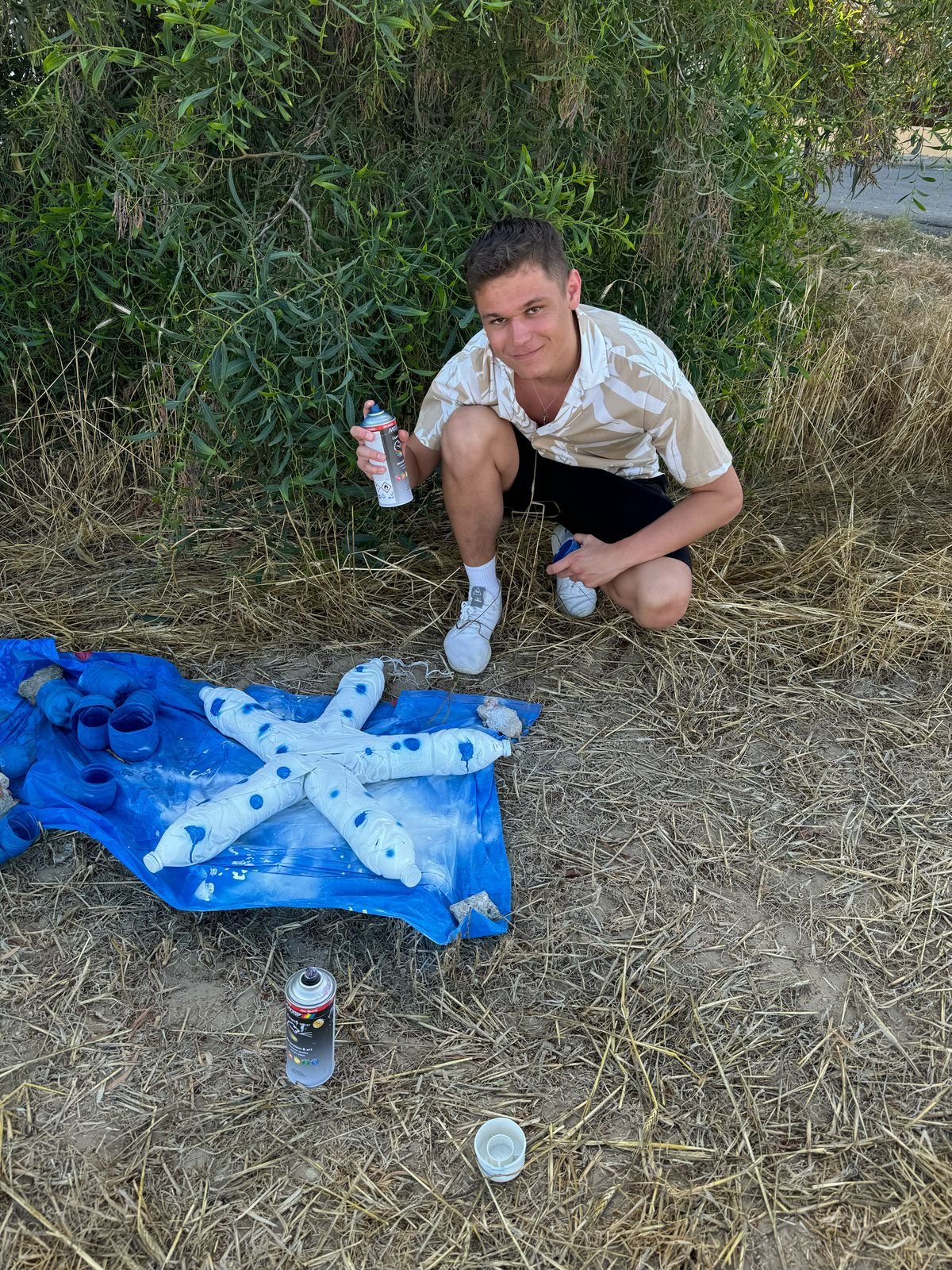
Our goal was simple and practical: clean, learn, and create. We combined a beach clean-up at Perivolia Beach with hands-on upcycling workshops, where discarded materials became meaningful artworks and functional objects with a clear environmental message.
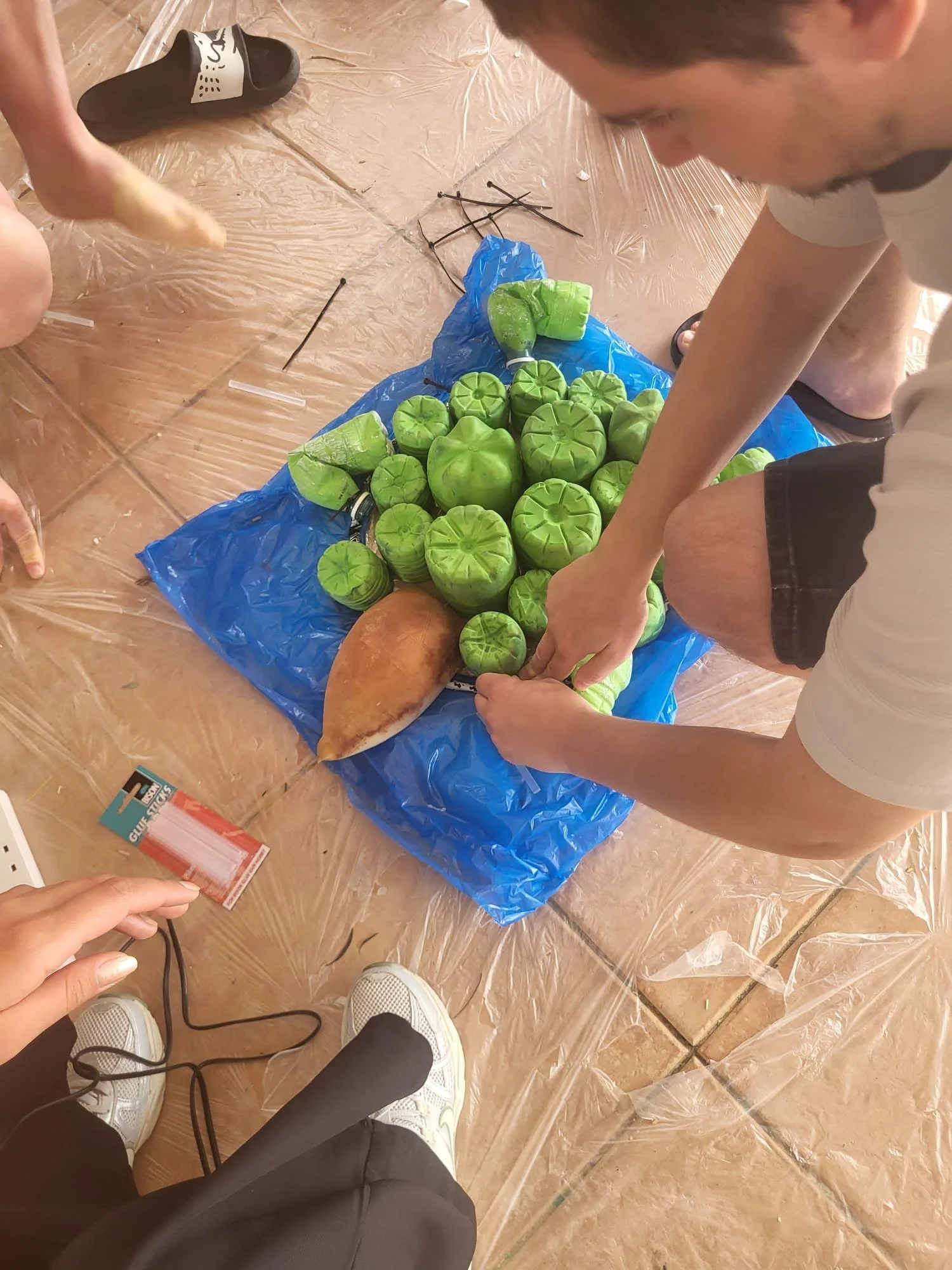

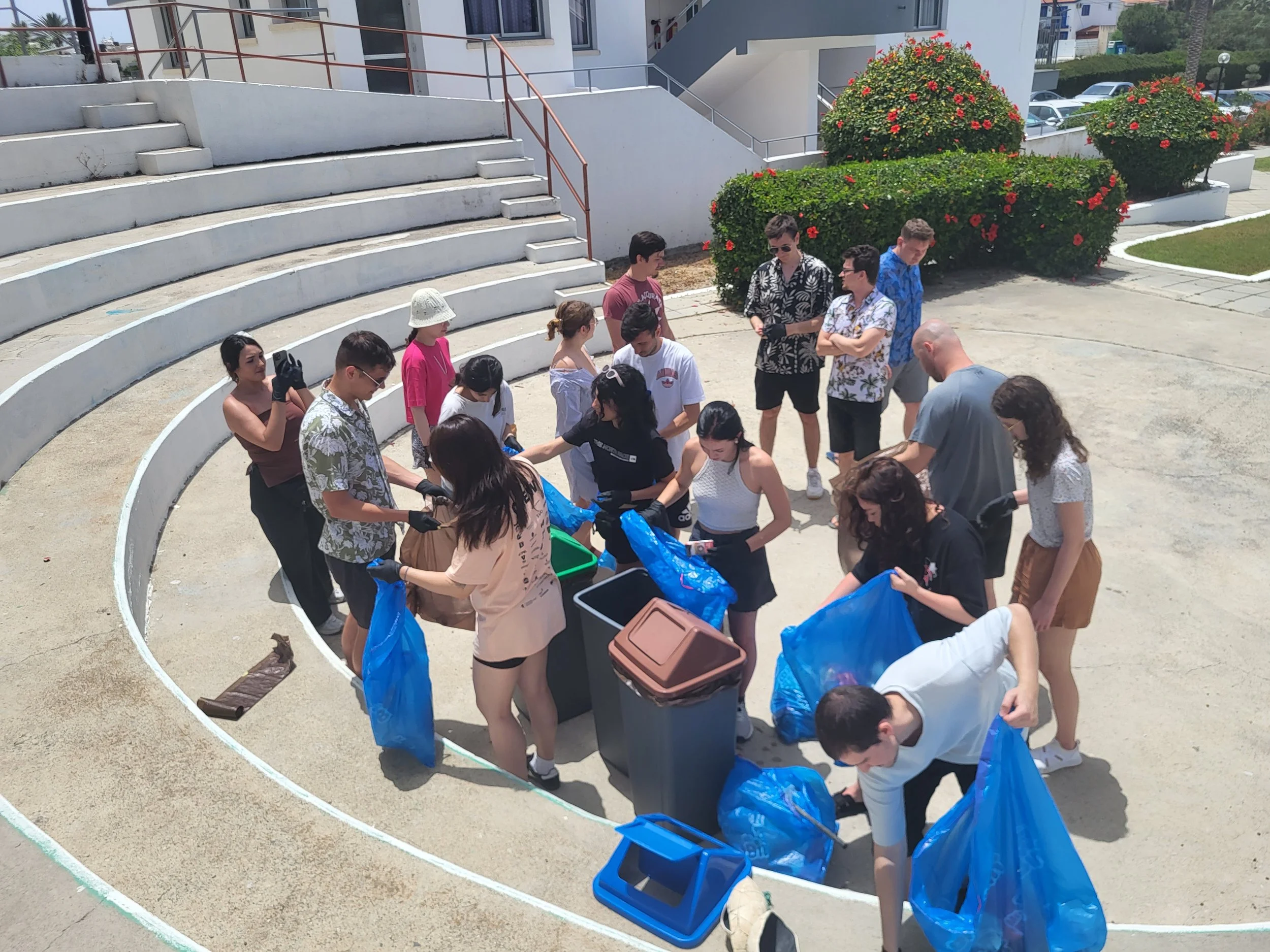
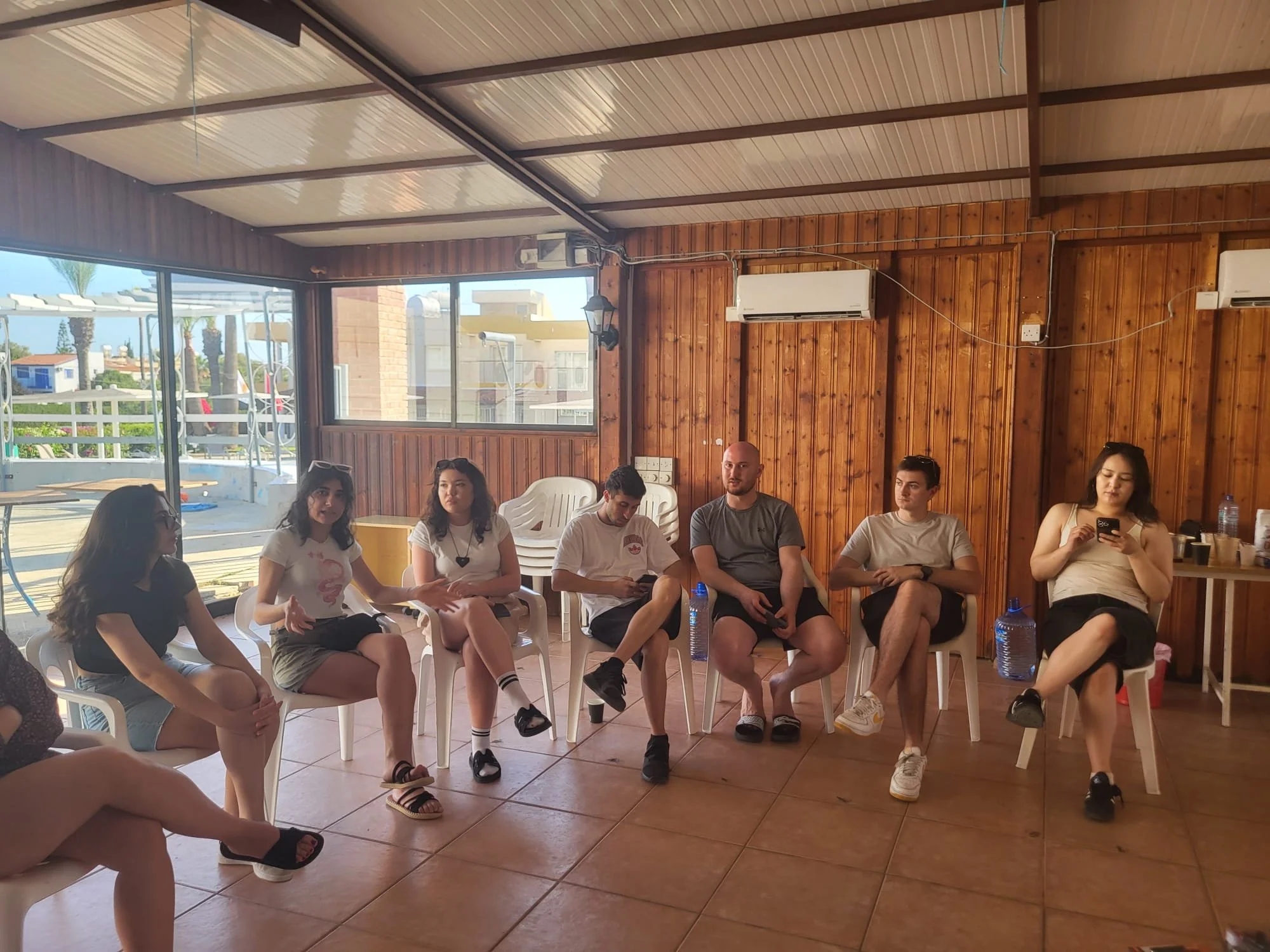

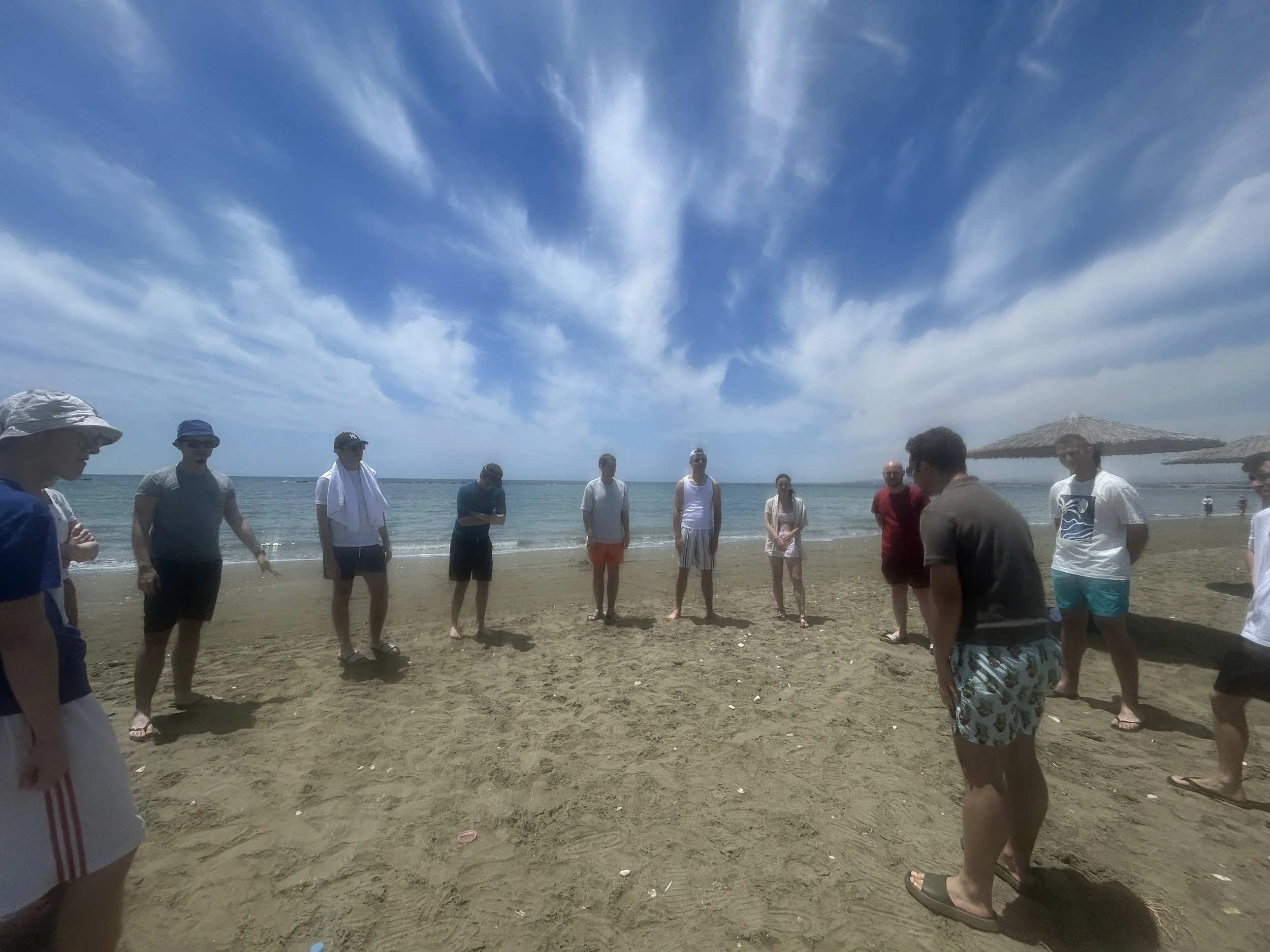
SeaCycle was not only about making art. It was about changing habits and building skills for real life. Through non-formal learning, teamwork in mixed-nationality groups, and daily reflection, participants strengthened communication, leadership, cultural understanding and a stronger sense of European belonging. We also integrated digital tools and responsible AI-supported brainstorming to help participants plan content, tell their stories, and share environmental messages in a structured way.
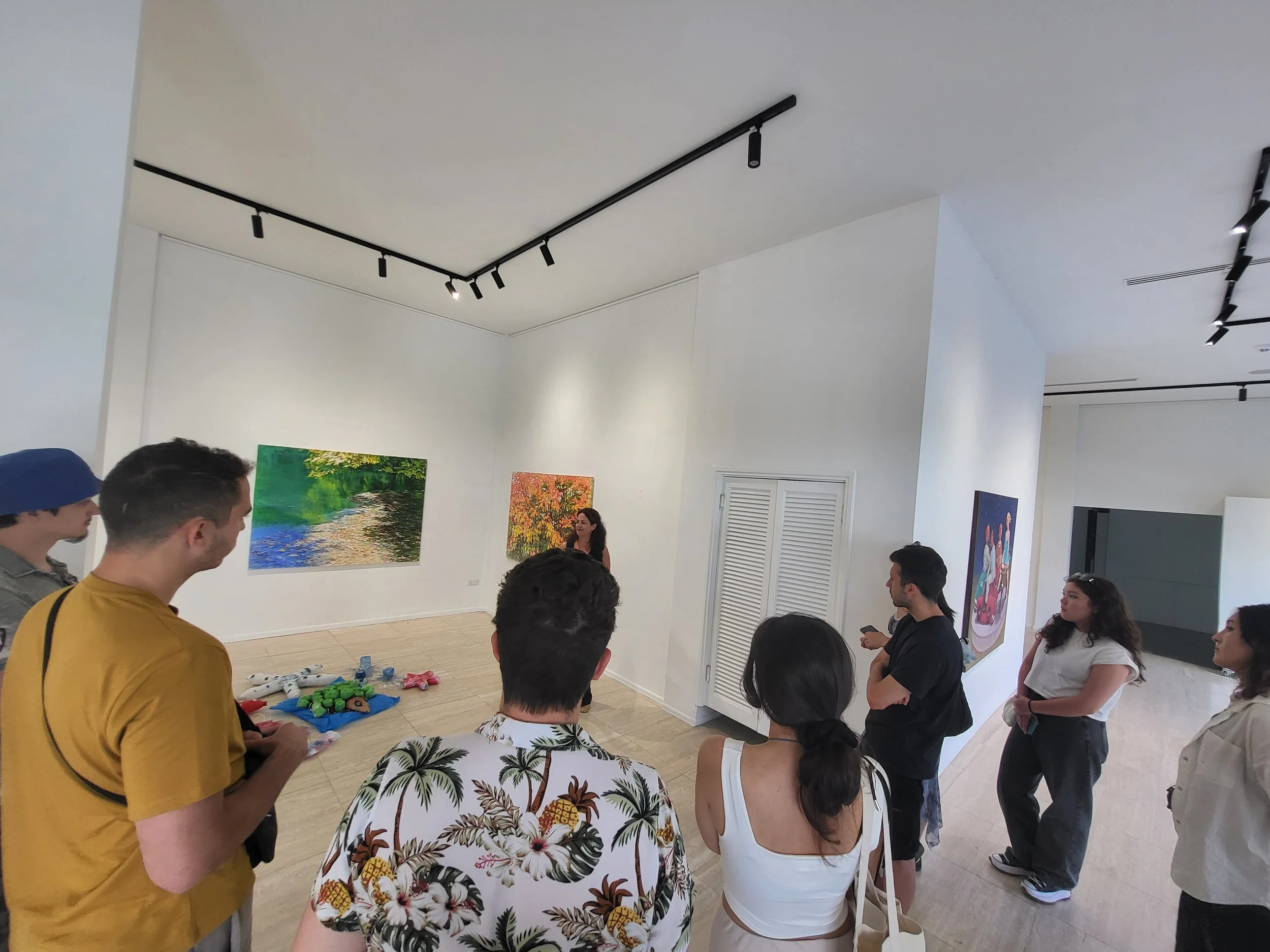
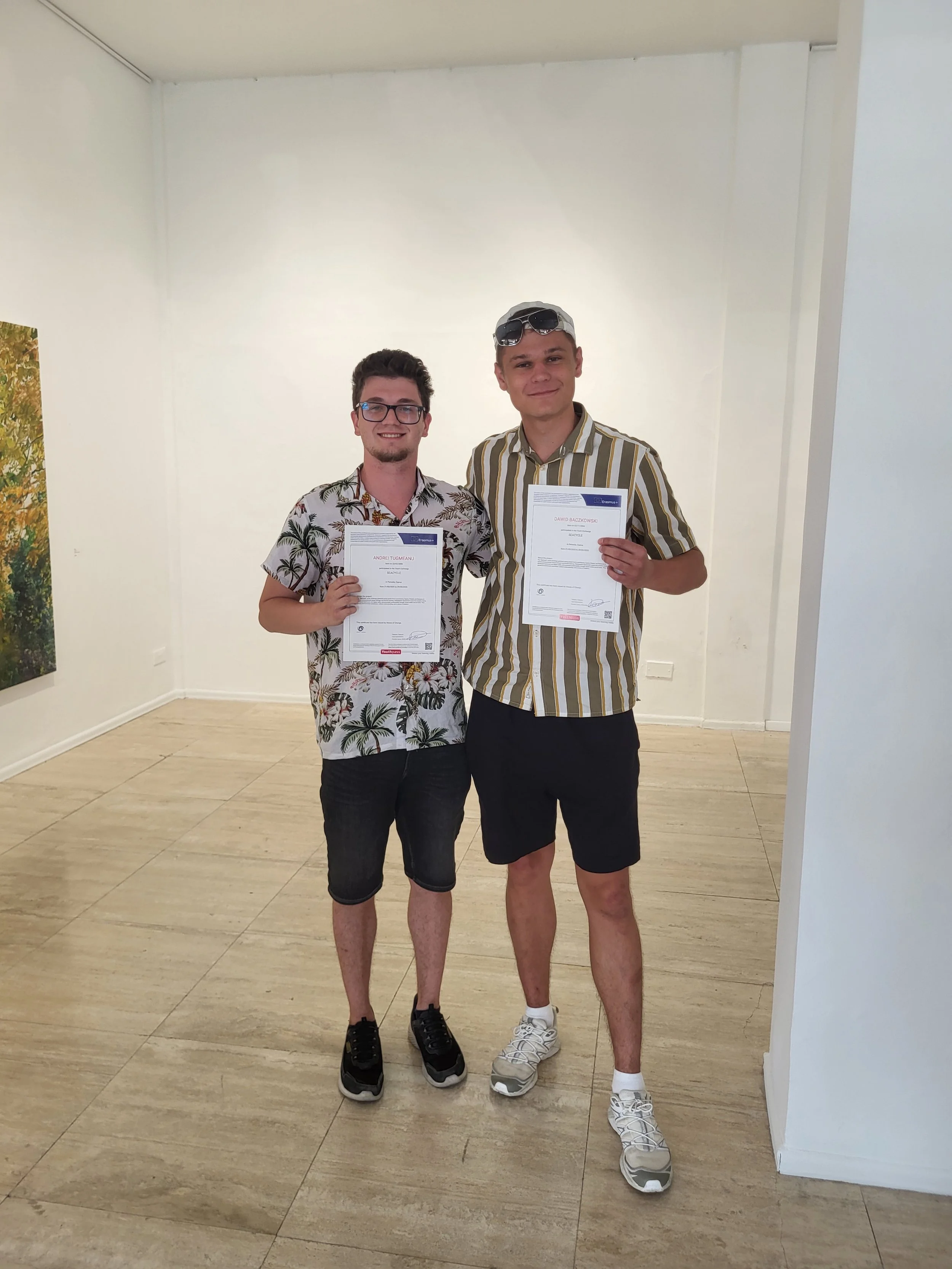
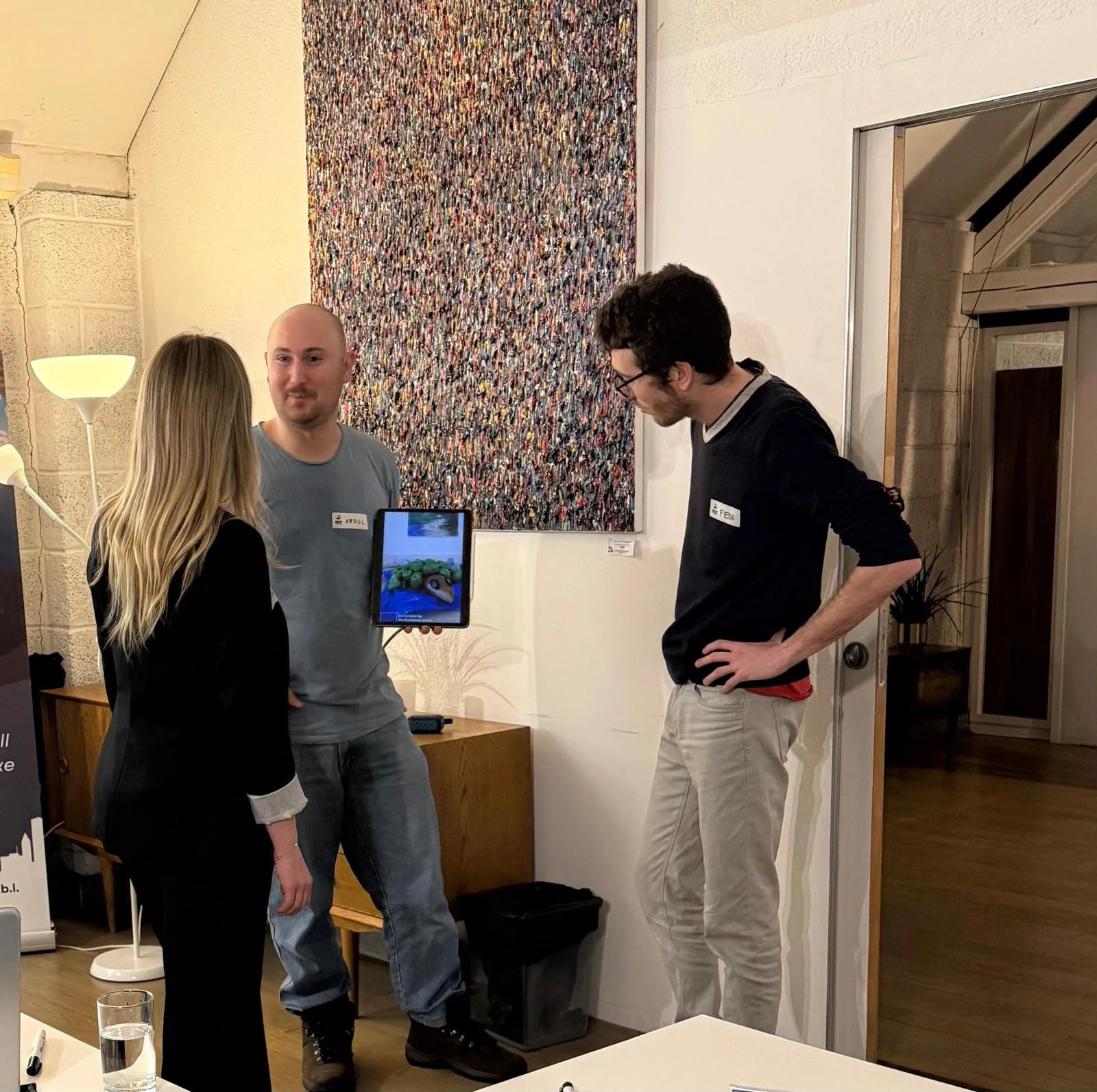
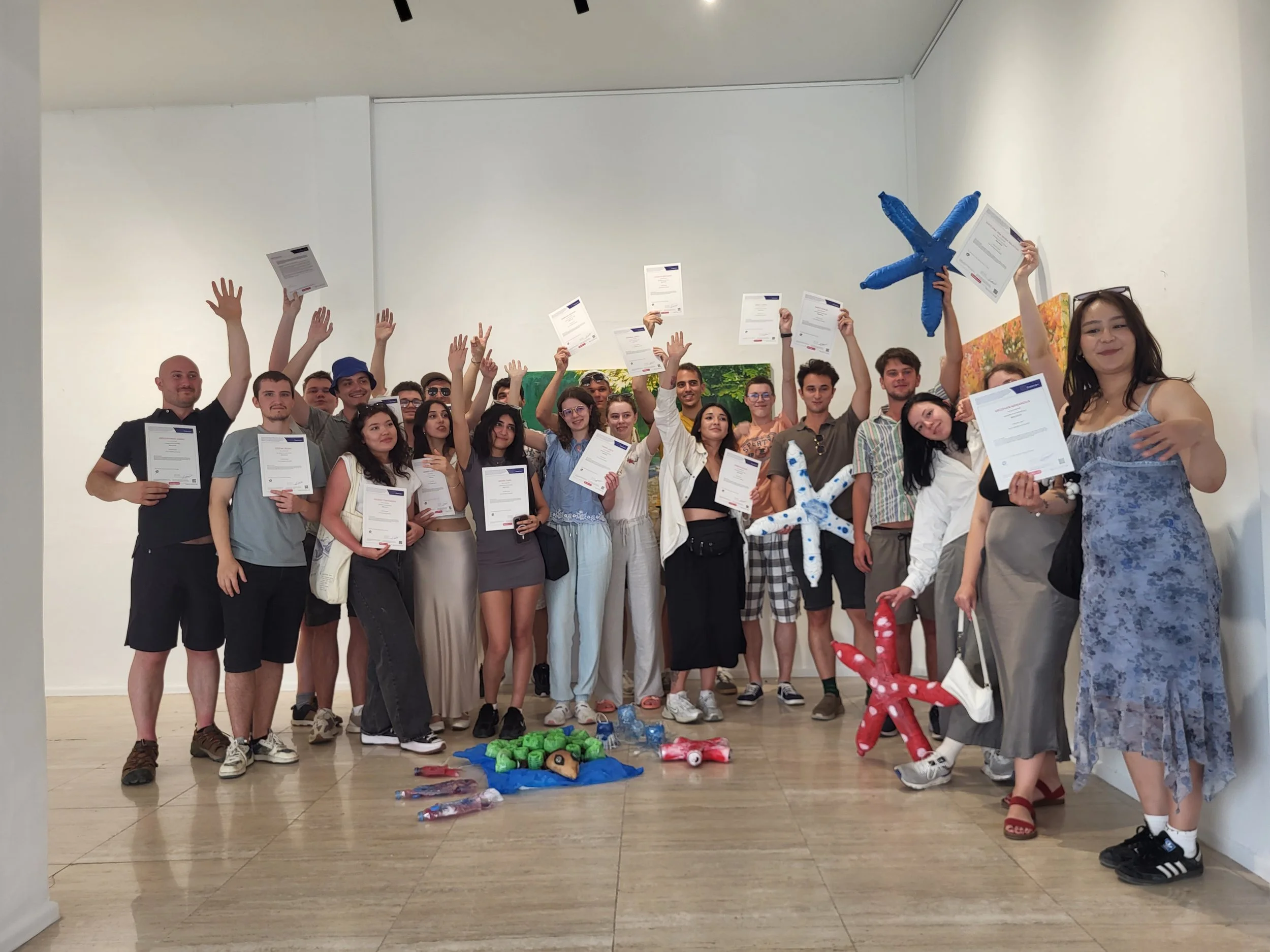
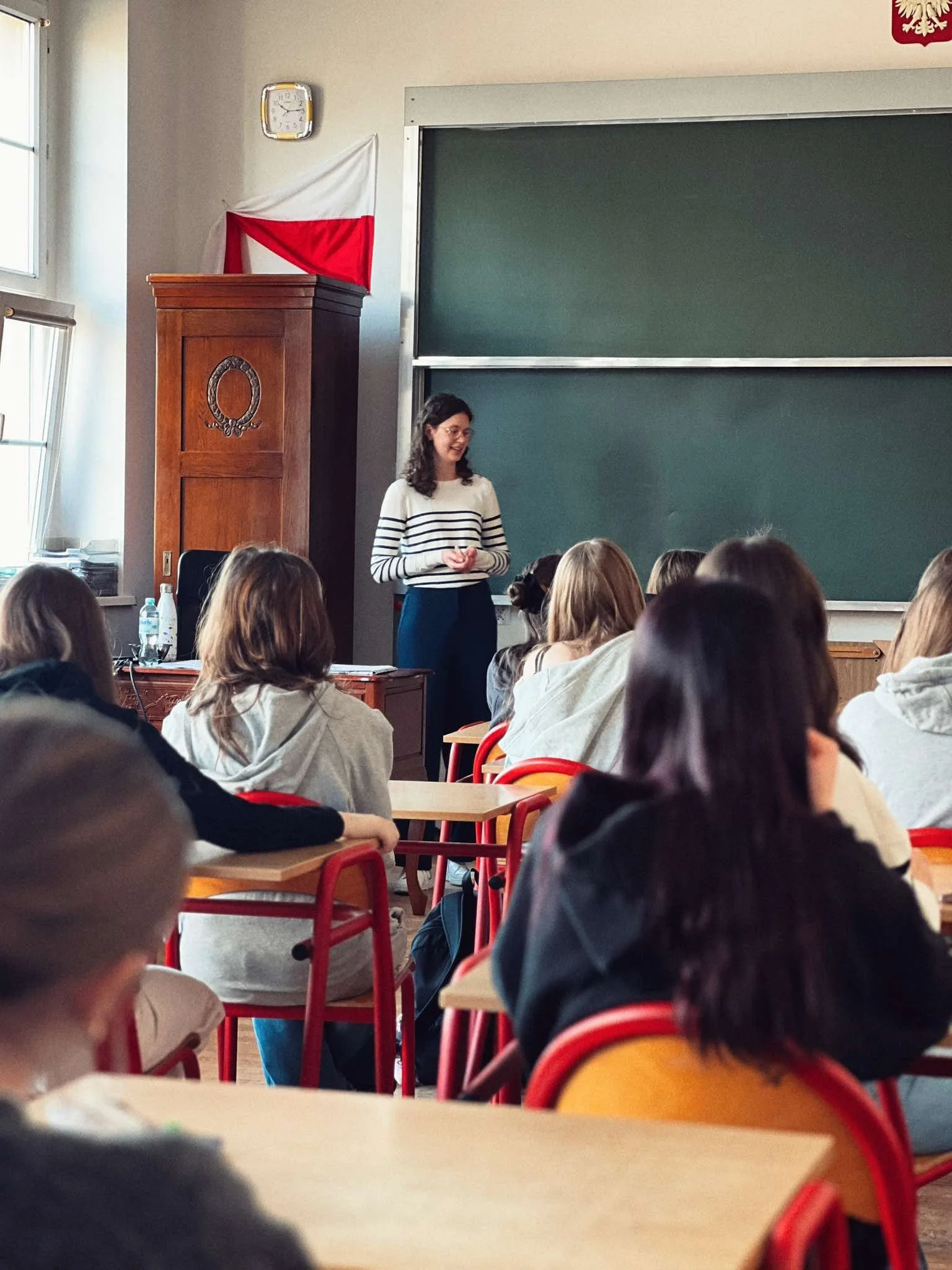
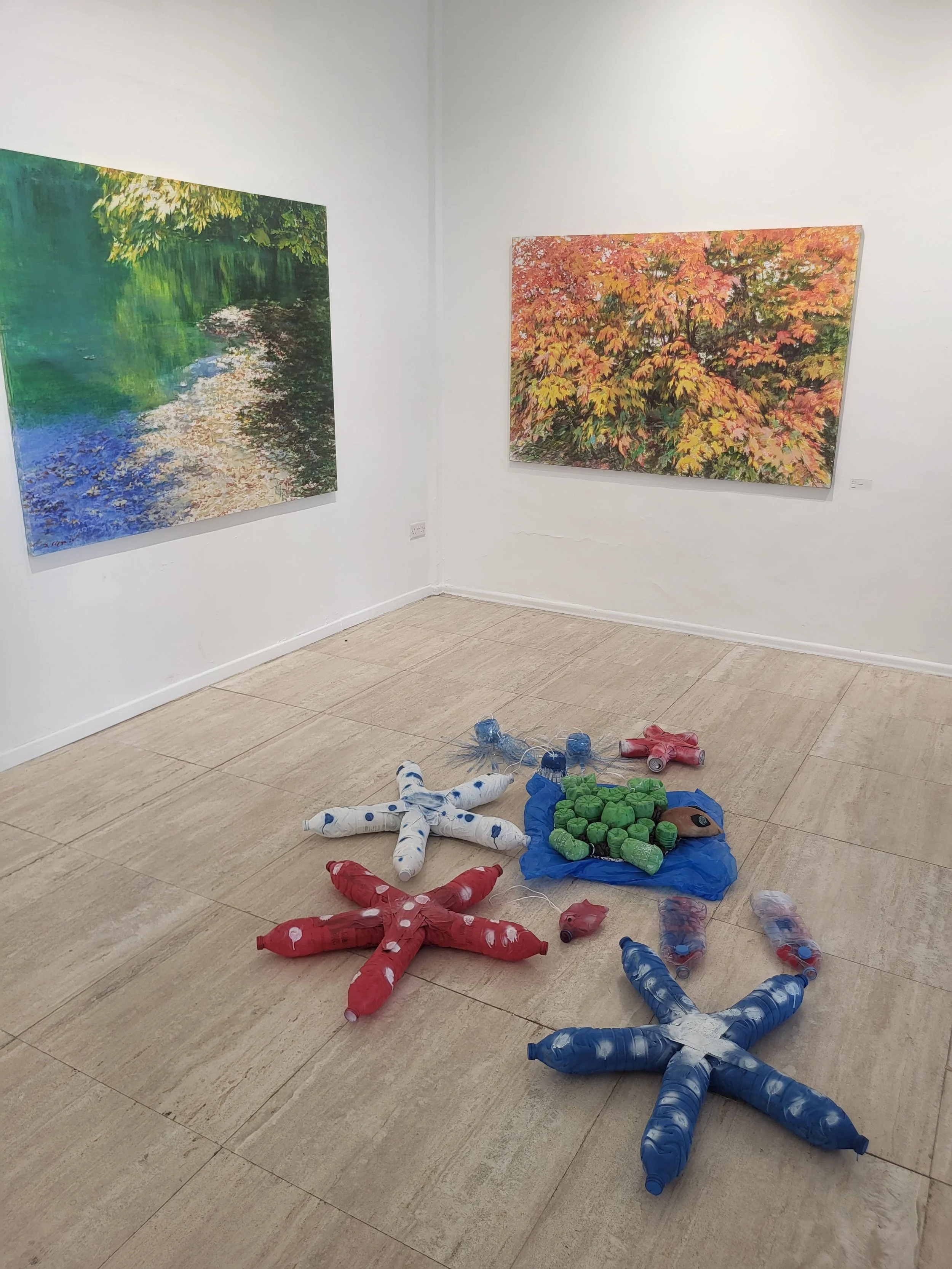
A key moment of the exchange was our public ecological-themed art presentation hosted at Alpha C.K. Art Gallery. There, participants presented their upcycled creations, explained the ideas behind them, and engaged local people in conversations about sustainability and creative reuse. When an originally planned school visit could not be approved in time, this public event ensured that the educational purpose and community outreach stayed strong, and participants also brought selected artworks back home for later school and club activities.
+
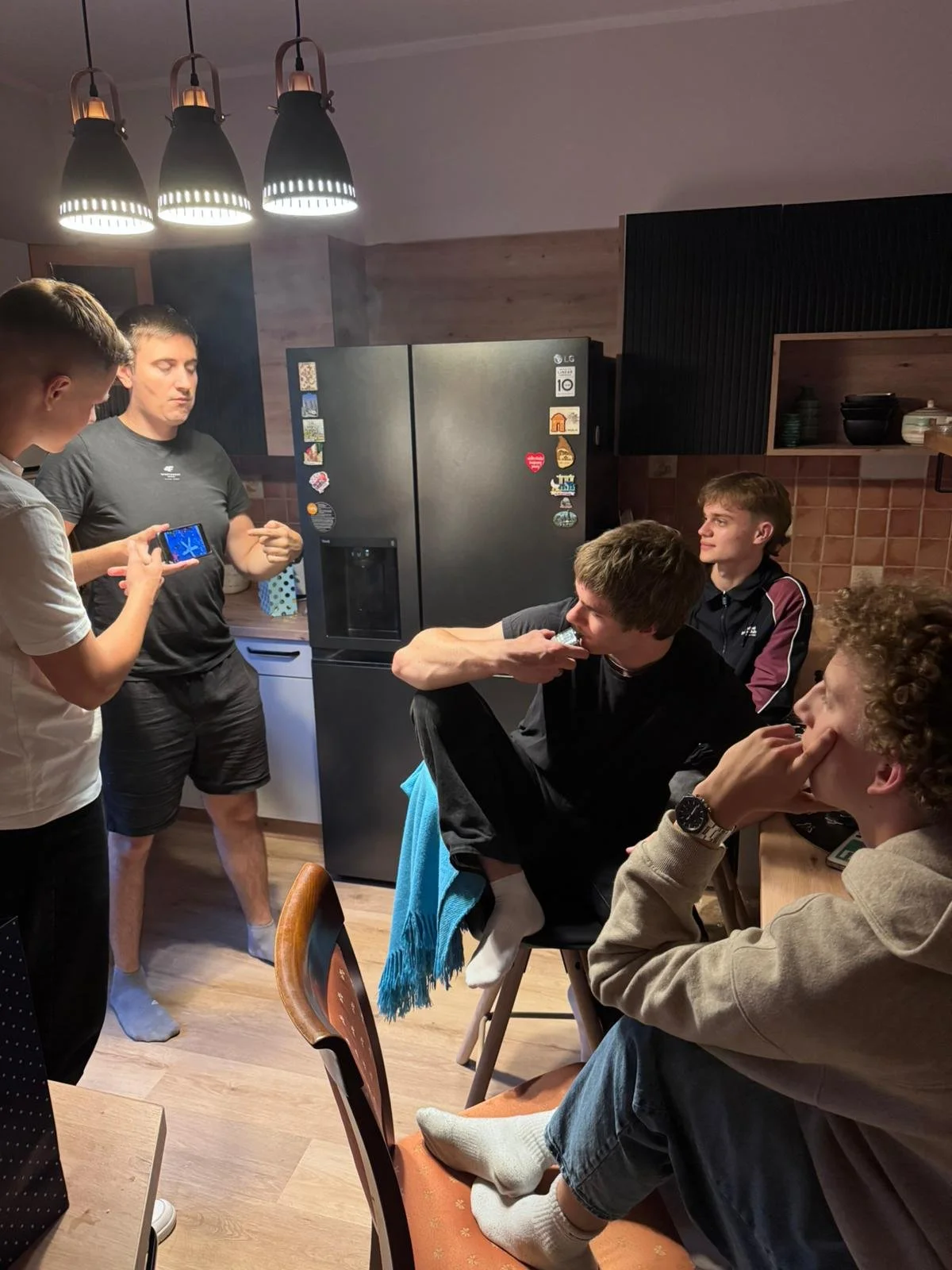
SeaCycle was also deeply human. Intercultural evenings, shared traditions, and everyday cooperation helped participants connect beyond stereotypes and build friendships across borders. Inclusion and safety were treated as priorities throughout the project, supported by experienced group leaders, clear rules, health and insurance requirements, daily anonymous feedback, and continuous mentoring before, during, and after the mobility.
What makes SeaCycle last is what happened next. Partners continued to work together after the exchange through ongoing online coordination and follow-up plans, including the creation and growth of local upcycling clubs and further workshops in schools and universities. In this way, SeaCycle did not end when the mobility ended it created a practical foundation for long-term environmental engagement led by young people.